
Family Conversation
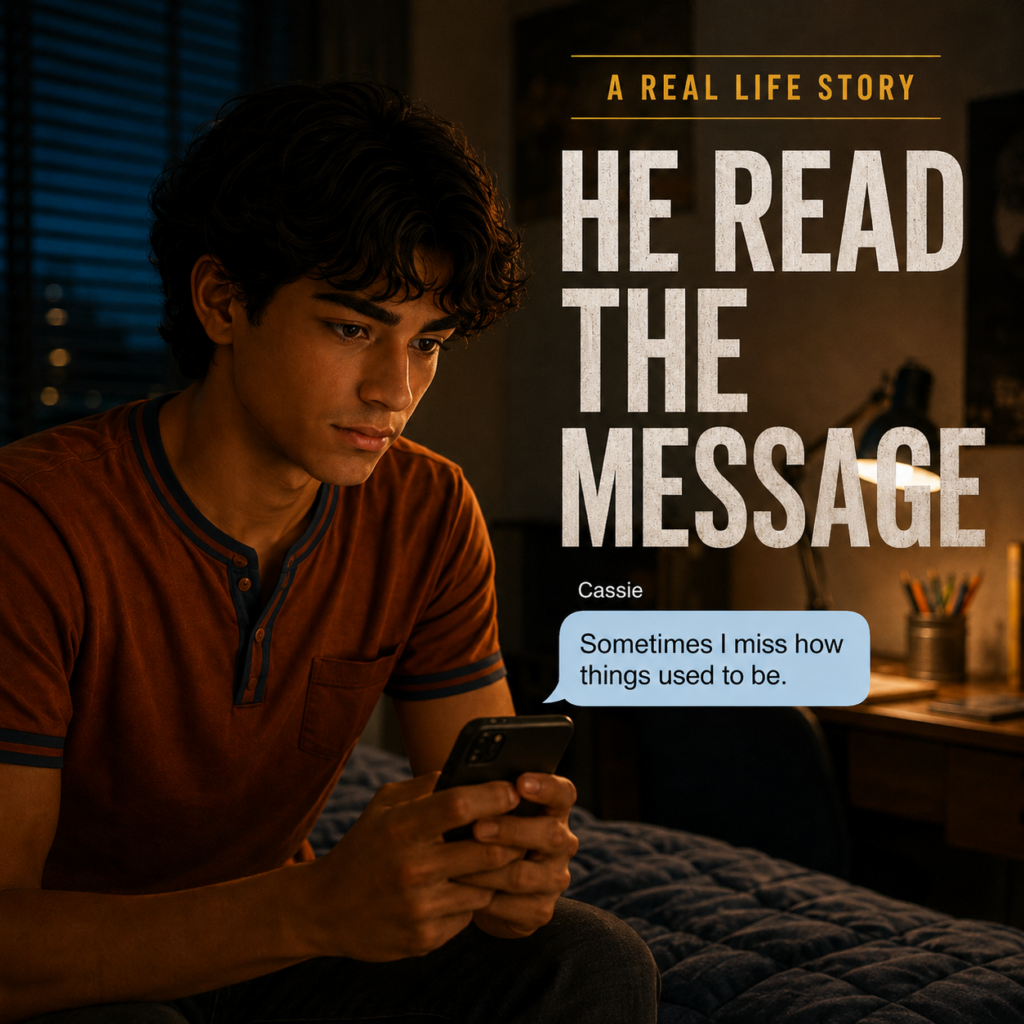
Related story: He Read the Message
Audience: Parents, caregivers, and families
Related lesson: Communicating and Respecting Boundaries
A short message can carry a surprising amount of emotional weight.
That is especially true when it comes from someone a young person cares about.
In He Read the Message, Elan receives a text from Cassie, his ex-partner and current friend:
“Sometimes I miss how things used to be.”
Elan immediately begins trying to decide what she means.
That moment can open a useful family conversation—not because there is one correct interpretation, but because it raises questions about communication, vulnerability, and assumptions.
Start with the story
Instead of beginning with advice, try asking:
What did you think Cassie meant?
Then follow the answer.
Different family members may read the exact same message differently.
That is part of the point.
Questions you might explore together
- Why do people sometimes prefer guessing what someone means instead of asking?
- What makes clarification feel risky?
- Have you ever realized that you interpreted a message differently from the person who sent it?
- How can our hopes affect what we think we’re hearing?
- Can you miss someone without wanting the relationship to return to what it was?
- What can you say when you genuinely do not understand what someone means?
Resist solving the situation too quickly
It may be tempting to tell Elan exactly what he should have done.
There is more value in exploring why each option feels difficult.
He wants to know what Cassie means.
He also wants to protect himself from an answer he may not like.
Both feelings can exist at once.
One question for adults too
Think of a time when you assumed you understood a partner, friend, family member, or coworker and later discovered you had interpreted them incorrectly.
What made your interpretation seem obvious at the time?
Sharing that kind of example can make the conversation less about correcting a young person and more about examining something people do at every age.
Keep the conversation open
You do not need to decide whether Elan and Cassie should get back together.
That is not the most important question in the story.
A more useful one may be:
How do we want to treat other people when we aren’t sure what they mean?